 DeepLightSeek
Introduction to Terahertz Technology
With the deepening of research, Terahertz (THz) technology continues to achieve breakthrough progress, attracting increasing attention from both the scientific research and industrial sectors. This article systematically reviews the core principles, three major application directions, and representative products of THz technology, helping readers quickly establish a comprehensive understanding of this cutting-edge field.
What are Terahertz Waves?
Terahertz waves (THz waves) refer to a unique frequency band in the electromagnetic spectrum, typically ranging from 0.1 to 10.0 THz in frequency and covering wavelengths from 30 μm to 3 mm. As shown in Figure 1, THz waves are located between microwaves and infrared light. They possess both the controllability of electronics and the high-frequency advantages of photonics, presenting distinct optoelectronic crossover characteristics.
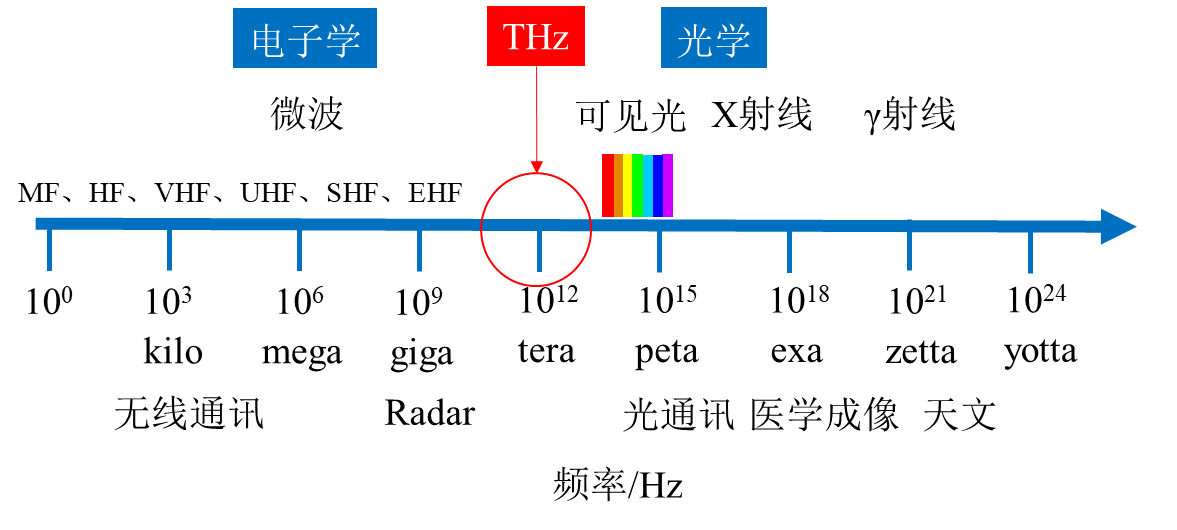
(Figure 1: Schematic diagram of the Terahertz frequency band)
Three Major Application Directions of Terahertz Technology
The THz frequency band was once less researched compared to microwave and infrared bands due to an incomplete theoretical system and a relative lack of efficient radiation sources and detectors. However, with the continuous development of spectrum resources, remarkable progress has been made in recent years in THz spectroscopy, imaging technology, and communication technology.
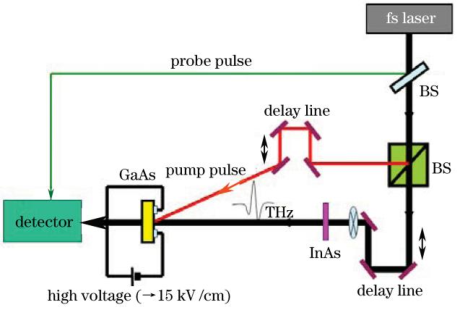
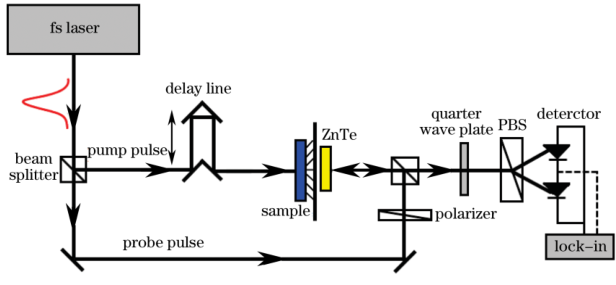
1. Terahertz Spectroscopy Technology: THz spectroscopy can reveal molecular structural information and contains rich physical and chemical characteristics, covering various excitation phenomena such as low-energy excitation of electronic materials and vibrations of liquid molecules. Figure 2 illustrates three representative THz spectroscopy technical routes.
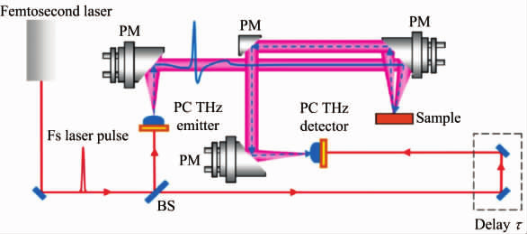
Figure 2: (a) Classic reflective THz Time-Domain Spectroscopy (TDS) system
(b) Time-resolved THz spectroscopy system
(c) THz emission spectroscopy system
2. Terahertz Imaging Technology: Relying on the high penetrability of THz waves, non-destructive testing capabilities, and the unique "fingerprint spectrum" characteristics of most substances in the THz band, THz imaging reconstructs corresponding THz images by processing and analyzing the transmission or reflection spectrum information of samples. Current main imaging methods include: THz time-domain raster scanning imaging, real-time focal plane imaging, computed tomography (CT), continuous-wave (CW) imaging, and near-field imaging.
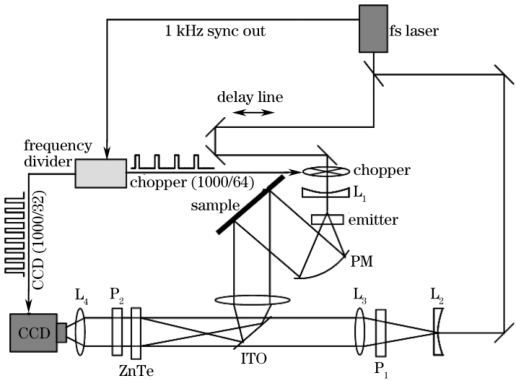
Figure 3: (a) THz real-time focal plane imaging system;
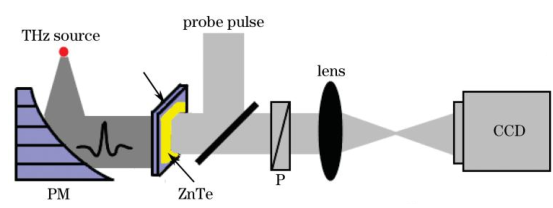
(b) THz focal plane near-field imaging
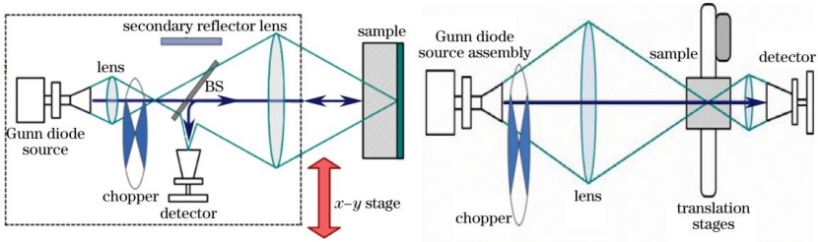
(c) THz continuous-wave imaging system
THz spectroscopy and imaging technologies have shown broad application prospects in fields such as security screening, materials science research, medical imaging, and non-destructive testing.

Figure 4: (a) THz security screening;
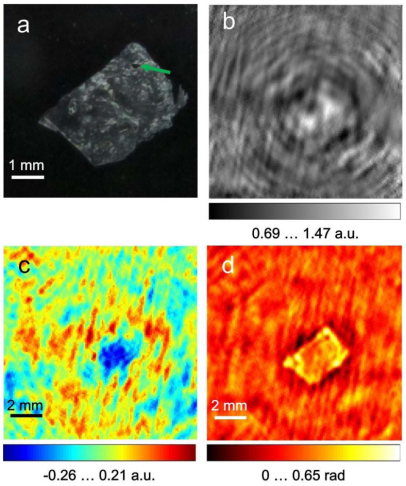
(b) THz cell imaging
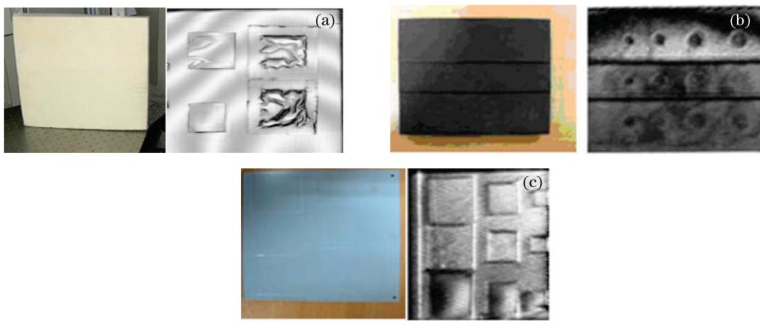
(c) THz non-destructive testing
3. Terahertz Communication Technology: THz communication offers the following prominent advantages: abundant bandwidth resources capable of supporting the growing demand for ultra-high-speed communication; small antenna size with strong directionality; and weak scattering with good penetration through clouds. On the other hand, water vapor in the atmosphere strongly absorbs THz waves, making THz communication naturally suitable for scenarios such as inter-satellite communication, stratospheric air-to-air communication, short-range terrestrial wireless LANs, and short-range secure atmospheric communication.
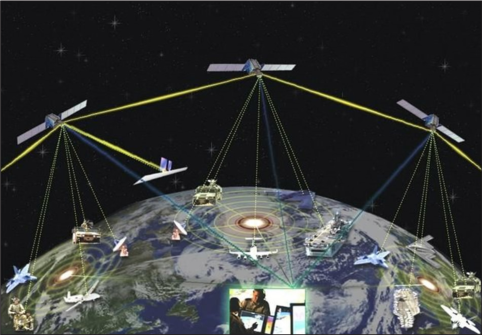
Figure 5: (a) THz inter-satellite communication;
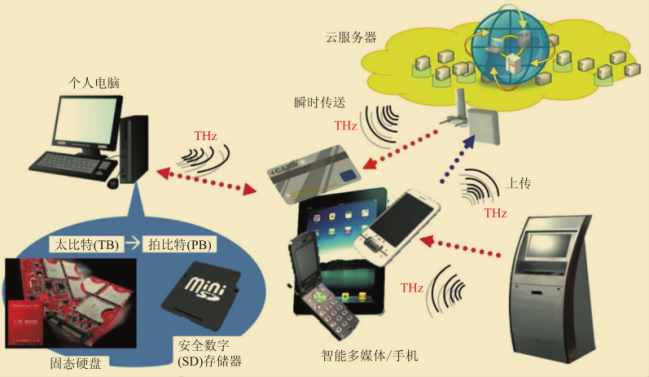
(b) Short-range terrestrial wireless LAN
Terahertz Optical Devices
The development of THz spectroscopy and imaging technologies relies on the support of high-performance optical devices. Commonly used THz optical devices include off-axis parabolic mirrors, THz lenses, hollow retroreflectors, THz beam splitters, and THz polarizers.
Guangtan Intelligent Technology (光探智能科技) offers the following THz optical device products:
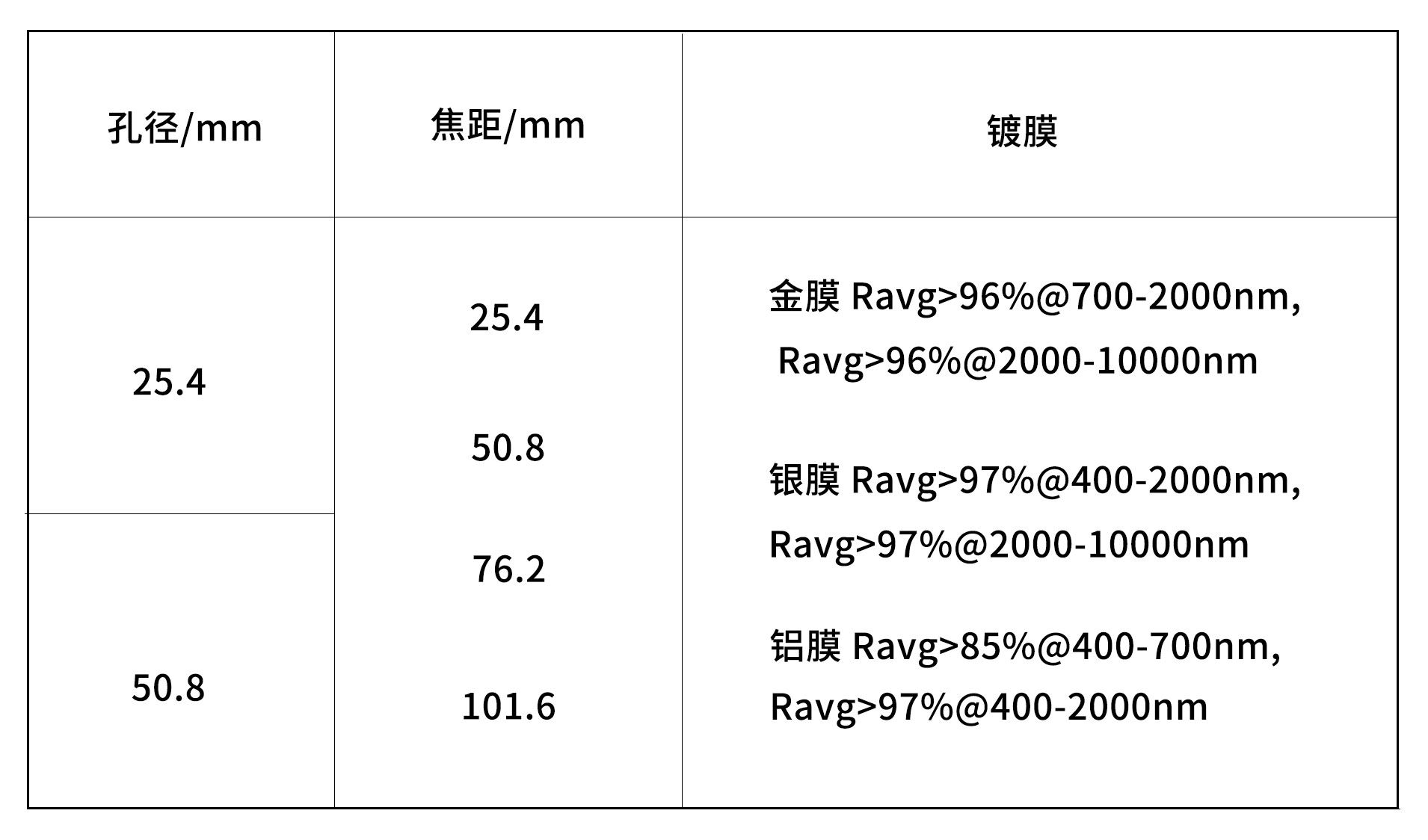
Off-Axis Parabolic Mirrors (OAPs): This is the most commonly used mirror in THz spectroscopy technology, functioning to reflect and focus parallel THz beams, and can also be used in reverse (see the role of PM in the optical path of Figure 2(a)). The company provides standard products with 6061-T6 aluminum alloy substrates in diameters of 25.4 mm and 50.8 mm, coated with gold, silver, or aluminum films, all with a 90° off-axis angle. Among them, the reflectivity of gold film in the THz band can reach over 95%.
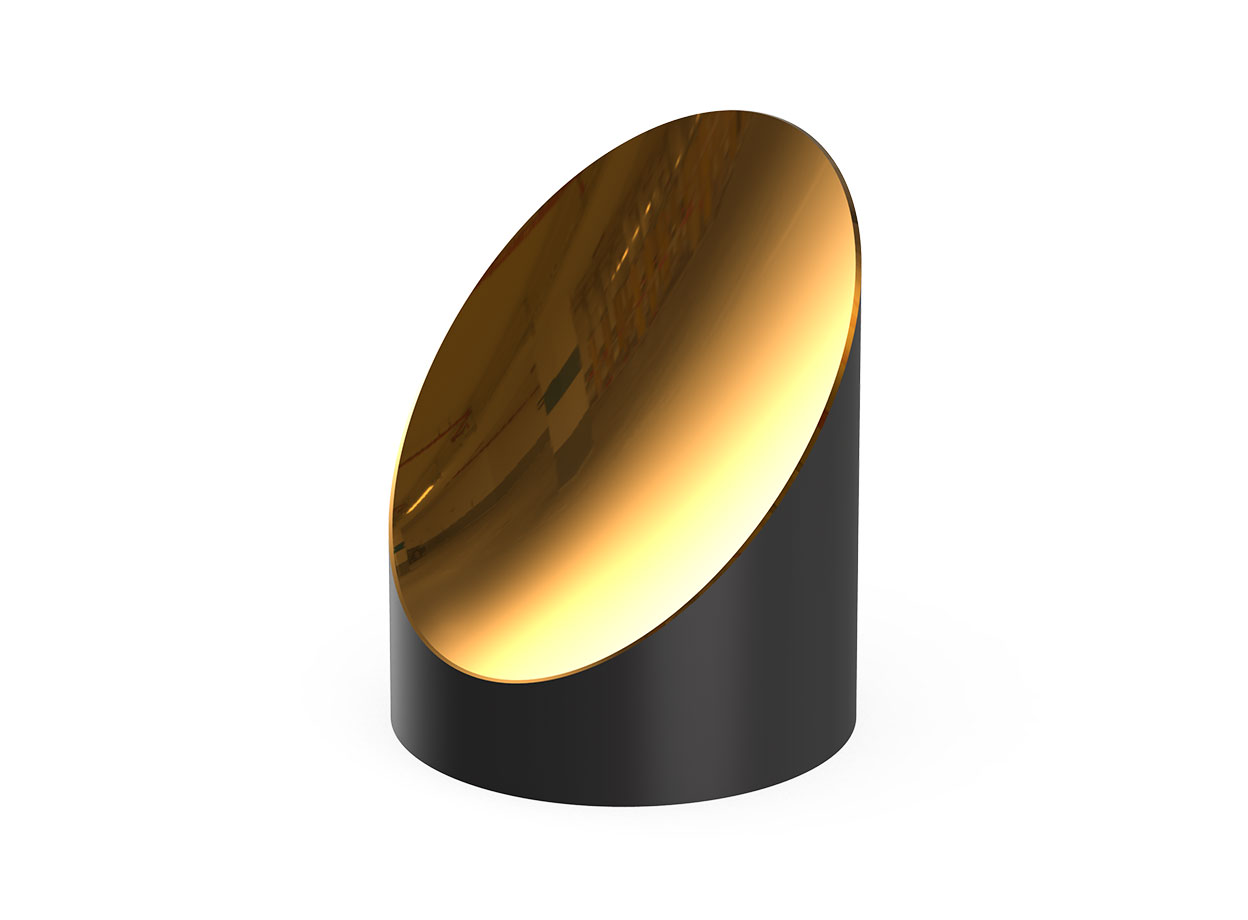
(Figure 6: Off-axis parabolic mirror)
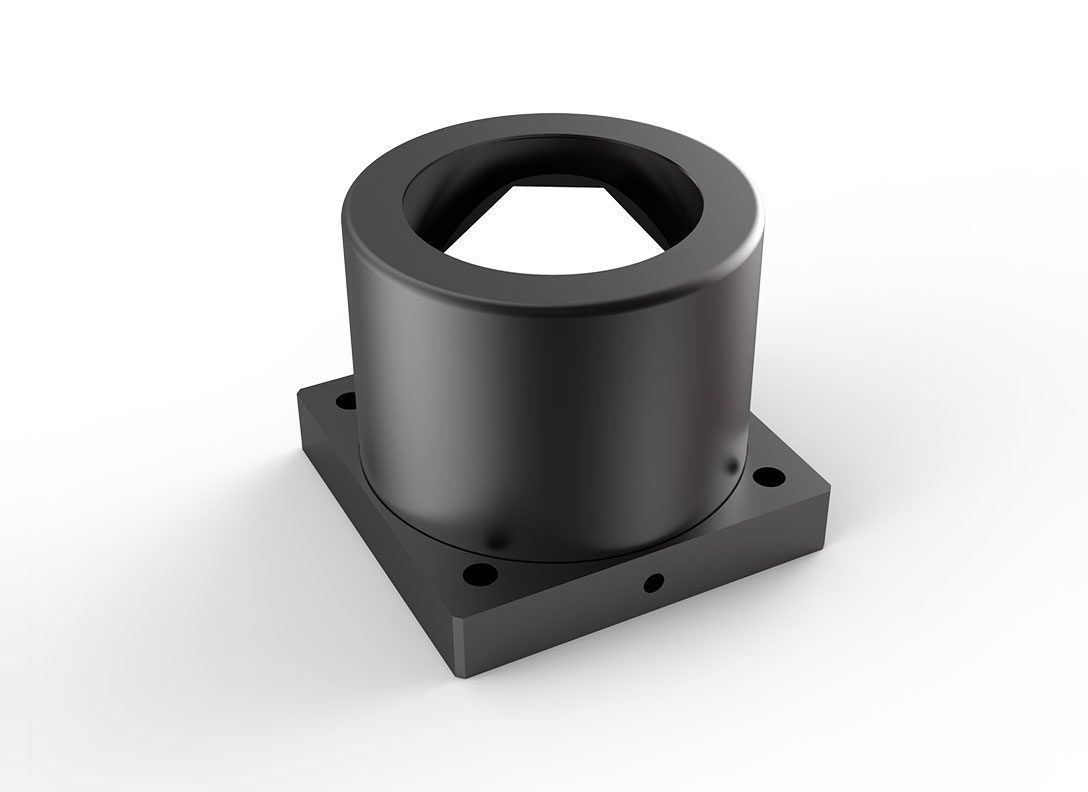
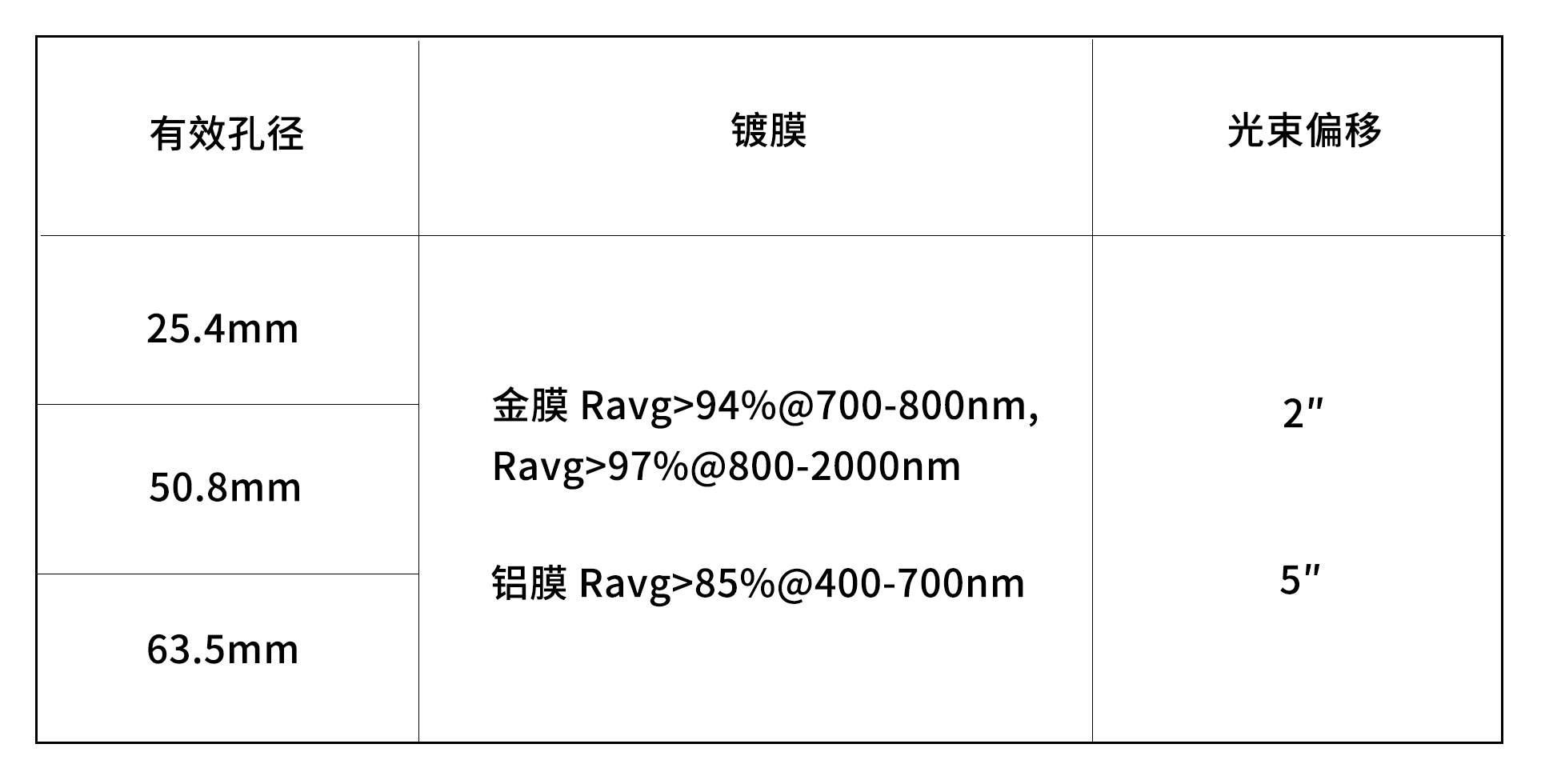
Hollow Retroreflectors: Also known as hollow corner cubes or retro-reflectors, these devices ensure that the outgoing light returns parallel to the incoming light at 180°, regardless of whether the incident angle is strictly vertical. The company provides gold-coated or aluminum-coated hollow retroreflectors with effective apertures of 25.4 mm, 50.8 mm, and 63.5 mm. They feature a hollow lightweight design, made by bonding three mutually perpendicular K9 flat glass plates. This reduces weight while lowering requirements for the usage environment, ensuring the incident light is reflected back with high precision.

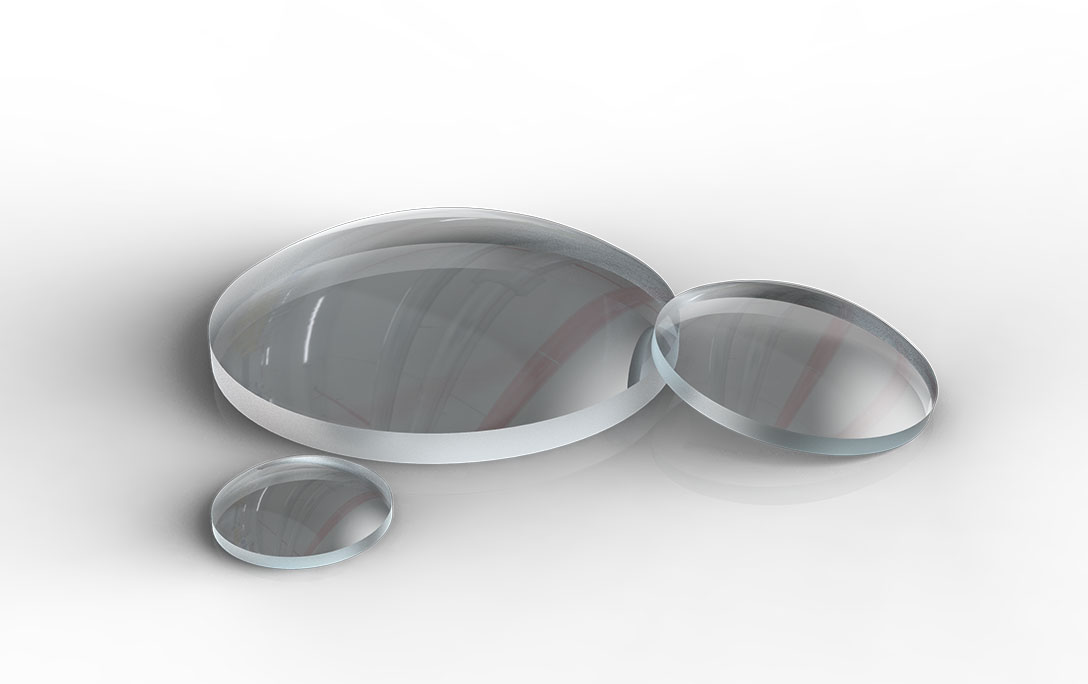
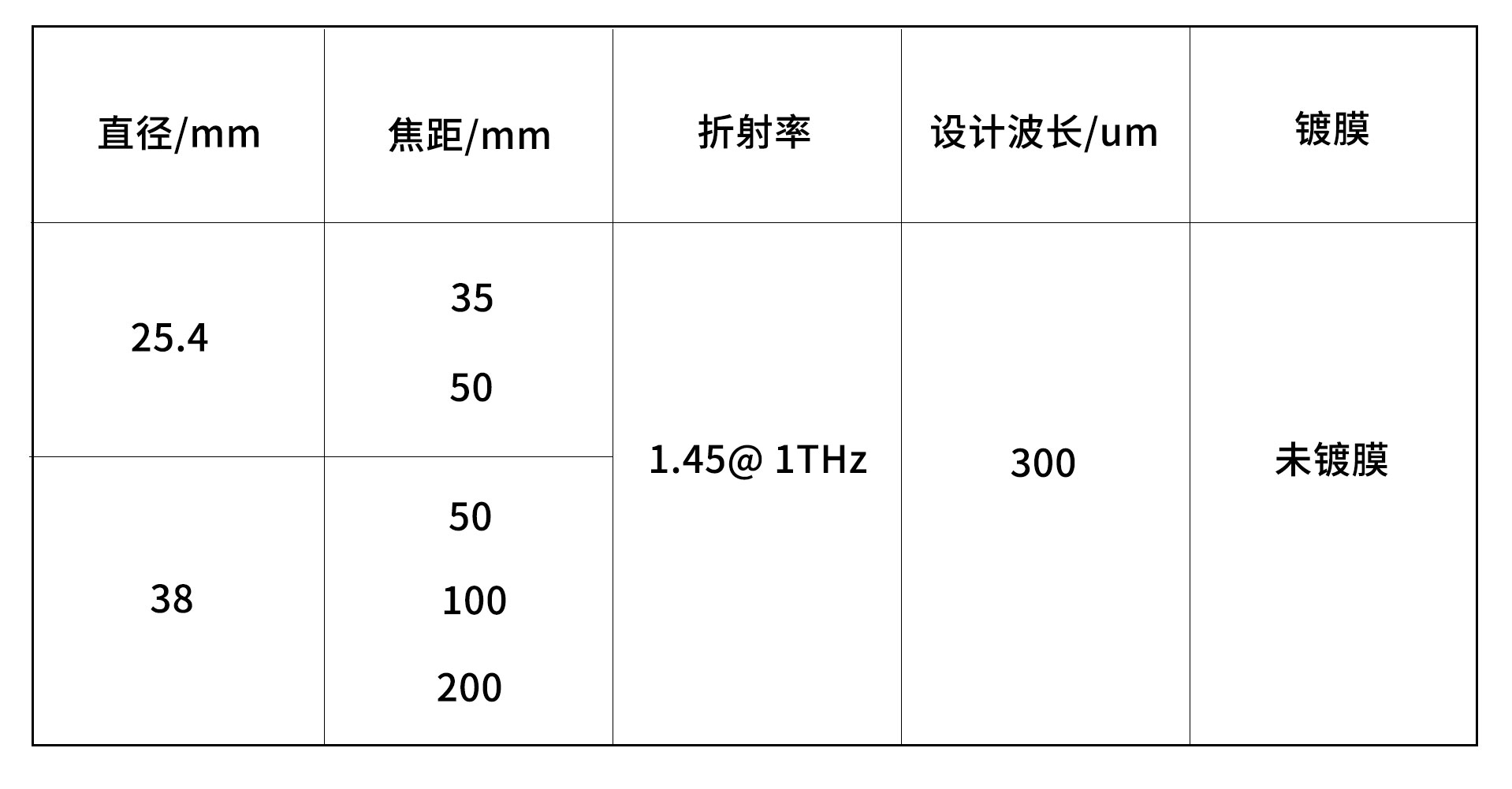
THz Lenses: Primarily used for focusing and collimation in systems, they are widely applied in THz spectrometers, THz imaging systems, and related research fields. Materials with excellent transmittance in the THz band mainly include polymer materials and high-resistivity silicon, with TPX (Polymethylpentene) showing particularly outstanding transmission performance. The company offers TPX lenses with diameters of 25.4 mm and 38 mm, covering various focal length specifications such as 35 mm, 50 mm, 100 mm, and 200 mm.