 DeepLightSeek
Introduction to Aspheric Lenses
While spherical lenses have a constant radius of curvature from the center to the edge, the curvature of an aspheric lens varies continuously from the center to the edge. In optical systems, correcting aberrations and ensuring imaging performance using only spherical lenses often requires a combination of multiple lens elements. Since the radius of curvature of an aspheric lens changes with the off-axis distance, it can achieve the same aberration correction with fewer optical elements, thereby simplifying the system structure and reducing design and manufacturing costs.
Thanks to their unique optical properties and superior imaging quality, aspheric optical components have become indispensable key devices in military, civilian, and aerospace applications.
Aspheric Fabrication Process
The fabrication process of aspheric lenses mainly includes blank preparation, grinding/milling, polishing, and inspection throughout each stage.
During processing, a spherical blank close to the target surface profile is first prepared according to the design requirements, and suitable tooling fixtures are selected based on the blank dimensions. The process then moves to the aspheric milling stage, which involves rough grinding and fine grinding sequentially. After milling, a profilometer is used to inspect the surface profile accuracy, and surface profile errors are corrected based on the inspection results. Through repeated inspection and correction, once the surface profile meets the fine grinding requirements, the process enters the critical stage that determines surface accuracy—polishing. The purpose of polishing is to refine the surface profile based on the fine grinding, ultimately bringing the component to the specified optical surface quality standards.
As the application of optical components continues to expand across various fields, traditional aspheric fabrication methods can no longer meet current market demands in terms of processing efficiency and cost. The rapid development of ultra-precision machining technology, along with the deep integration of high-precision CNC machine tools and computer technology, has brought breakthrough progress to the fabrication of aspheric optical components.
Currently, an advanced fabrication method involves first using an ultra-precision milling machine to grind and shape the blank. Then, computer simulation is used to determine reasonable polishing parameters for the polishing process, which in turn guides the planning of the polishing tool's motion trajectory and the calculation of the dwell time function. This method effectively reduces the surface roughness of the component while ensuring surface profile accuracy, ultimately meeting the high-quality processing requirements for optical components.
Guangtan Intelligent Technology offers both polished aspheric lenses and molded glass aspheric lenses suitable for mass production. Please feel free to contact us for inquiries.
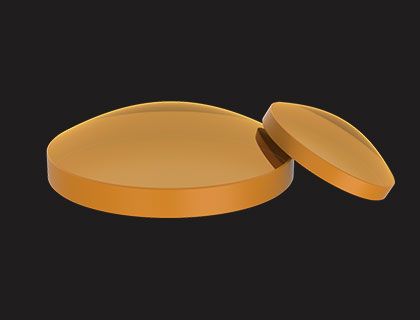
Aspheric Lenses
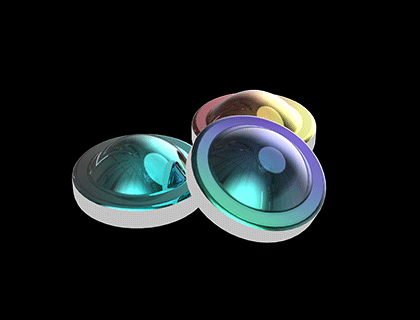
Molded Aspheric Lenses
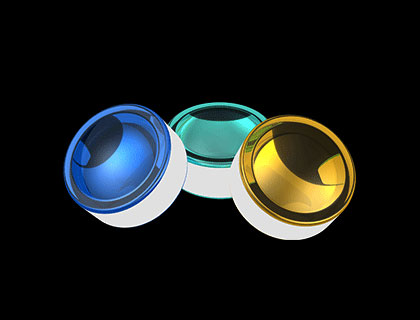
Infrared Laser Collimating Aspheric Lenses
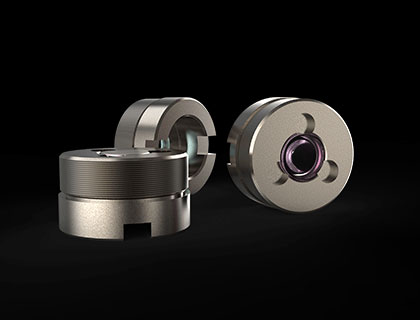
Mounted Aspheric Lenses
